原文 Original Text
高圓之 野邊乃秋芽子 徒 開香将散 見人無尓
作者 Author
笠金村(かさのかなむら)歌集より From the poetry collection of Kasa-no-Kanamura
よみ Reading
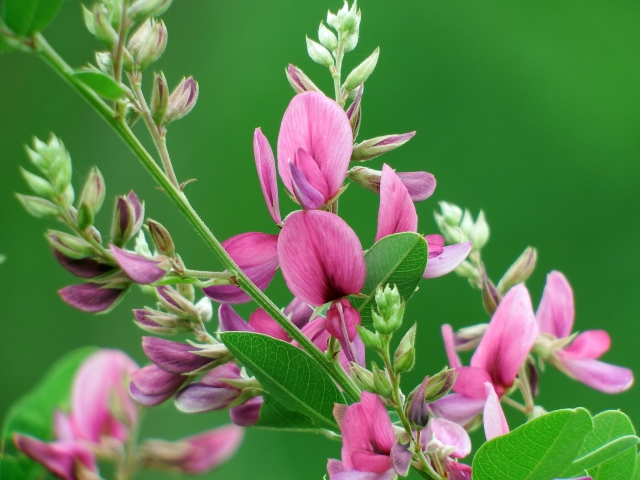
高円(たかまと)の 野辺の秋萩(あきはぎ) いたづらに 咲きか散るらむ 見る人なしに
- Takamato no Nohe no akihagi Itazurani Saki ka chiru ramu Miru hito nashini.
意味 Meaning
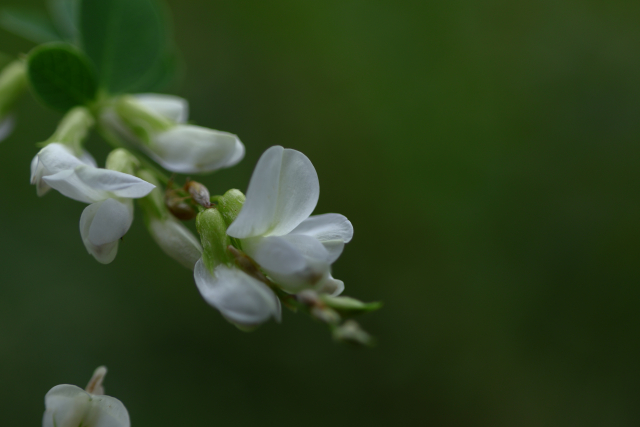
高円(たかまと)の野に咲いている秋萩(あきはぎ)が、空しく咲いては散ってゆくことでしょうか。もう秋萩(あきはぎ)をご覧になる皇子様がいらっしゃらないので。
・この歌は、霊亀(れいき)元年(西暦715年)に志貴皇子が亡くなったのを悲しんで詠んだ歌の一つです。
・「野辺の秋萩いたづらに」という言い方は、志貴皇子(しきのみこ)のうねめの袖吹きかえす明日香風都を遠みいたづらに吹くという歌を思い起こさせます。
- rough meaning: Do the bush clovers blooming on the fields of Takamato bloom and scatter in vain? For there is no longer a Prince to gaze upon them.
- This is one of the poems composed to mourn the death of Prince Shiki in the first year of the Reiki era (715 AD).
補足 Notes
・0230番歌の題詞に、「霊龜(れいき)元年、歳次乙卯(さいしいっぽう:干支の年回りで52番目の年)秋九月、志貴親王(しきのみこ)の薨ずる(亡くなる)時に作る歌一首[并(あわ)せて短歌]」とあります。この歌はその二首の短歌のひとつにあたります。
- The headnote for Poem 0230 reads: "Composed in the ninth month of autumn in the first year of Reiki,the year Prince Shiki passed away [accompanied by *tanka*]." This poem is one of those two tankas.